The Serotonin Switch: How to Improve Mood Without Antidepressants
Short version: You can nudge serotonin naturally with light, movement, food, sleep, and nervous-system tools. Below you will find an evidence-led plan, a 7-day starter, real stories, and five optional products presented in clean cards (not part of the article text).
What serotonin actually does — and why chasing “more” can be the wrong goal
Serotonin is a neuromodulator — a chemical that adjusts the gain on networks involved in mood, patience, impulse control, learning, pain, sleep, and digestion. Think of it as “tone” rather than an on/off switch. Natural routines can elevate baseline tone or improve receptor sensitivity without drugs. For many people with everyday low mood or stress, small, consistent inputs — morning light, movement, protein&carb timing, and stress tools — move the needle.
Five natural levers that support serotonin tone
1) Morning light (10–30 minutes) — anchor the clock, lift mood
Light to the eyes early in the day suppresses melatonin and advances circadian phase. That timing influences daytime serotonin and evening melatonin production via shared tryptophan pathways. Outdoor light is best; on dark mornings or for shift workers, a bright-light box helps.

Verilux HappyLight (10,000 lux) Optional
Use 10–20 minutes within the first hour after waking to set circadian timing when outdoor light is limited.
View on Amazon2) Movement most days — aerobic + a little strength
Exercise raises brain serotonin acutely (increased tryptophan transport) and over time (receptor sensitivity, BDNF). Even 20–30 minutes of brisk walking can lift affect today; regular training correlates with fewer depressive symptoms and better sleep.
3) Food that feeds serotonin (and when to eat it)
Serotonin is synthesized from tryptophan, an amino acid that competes to cross the blood-brain barrier. Meals that include tryptophan sources (eggs, dairy, turkey, soy, pumpkin seeds) plus a modest carbohydrate portion after protein can transiently aid transport. Omega-3s support membrane fluidity and receptor function; B-vitamins and magnesium support enzymatic steps.

Nordic Naturals Ultimate Omega (DHA&EPA) Optional
Long-chain omega-3s help neuronal signaling and may support mood over weeks to months.
View on Amazon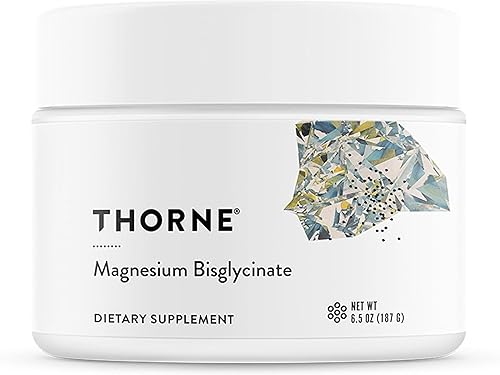
Thorne Magnesium Bisglycinate Optional
Magnesium supports stress regulation, sleep quality, and enzymatic steps in neurotransmitter synthesis.
View on Amazon4) Stress tools that calm the HPA axis
Chronic stress pushes cortisol up and BDNF down — a combo that blunts serotonin signaling and hippocampal plasticity. Short, repeatable tools work: 5 minutes of paced breathing, a short gratitude journal, a walk outside, or brief social connection.
5) Sleep & circadian hygiene
Sleep consolidates learning and normalizes sensitivity of serotonin systems. Aim for 7–9 hours with consistent timing, dim evening light, and caffeine cut off by early afternoon. If sleep is hard, start upstream: morning light and regular exercise first.
The “Serotonin Switch” plan — 7 days to feel a shift
Daily backbone (do these every day)
- Light: 10–20 minutes outdoor light or a 10,000-lux lamp within 60 minutes of waking.
- Move: 20–30 minutes brisk walk, cycling, or light jog; add 2 short strength sessions per week.
- Breakfast pattern: protein + fruit or oats (e.g., Greek yogurt with berries&seeds). Coffee is fine; avoid large sugar spikes.
- Breathing break: 5 minutes paced breathing (inhale 4, exhale 6) once or twice mid-day.
- Evening wind-down: dim lights 90 minutes before bed; stretch or read.
Day-by-day highlights
Day 1: Set alarms for light&walk. Start a 3-line journal: one gratitude, one win, one connection to attempt today.
Day 2: Add a 5-minute cold finish to your shower if healthy — brisk alertness without more caffeine.
Day 3: Try a tryptophan-rich lunch (eggs or tofu) + small whole-grain portion; note mood 60–90 minutes later.
Day 4: Swap doomscrolling for a 15-minute walk with sunlight in eyes (no sunglasses if comfortable).
Day 5: Strength snack: 3 rounds of bodyweight squats, pushups against a counter, and band rows (10 reps each).
Day 6: Social nudge: text or call someone supportive; brief positive interactions can lift serotonin tone.
Day 7: Protect sleep window; no screens in bed; jot three things that felt good this week.

Double Wood Saffron Extract (Affron®) Optional
Standardized saffron has human trials for mood support in mild to moderate symptoms over 4–8 weeks.
View on AmazonReal people stories & public examples
Case snapshot — the “morning light walker”
Elena, 45, works at a screen all day. She layered two levers: 15 minutes of outdoor light immediately after waking and a 25-minute brisk walk before email. Within two weeks, she reported steadier energy and fewer cravings. Her sleep window shifted slightly earlier; she began waking before the alarm. (Pattern consistent with controlled light-exposure trials.)
Public example — “exercise as antidepressant” advocates
Behavioral medicine programs popularized a lifestyle protocol for mood that combines sunlight, daily exercise, omega-3 intake, social connection, and sleep protection. The core idea mirrors the plan above: repeated, simple behaviors add up to noticeable changes in affect.
Public figure routine — morning sunlight & movement
Several well-known communicators and coaches openly recommend early outdoor light plus movement to anchor mood and focus through the day. Their audience testimonials often echo the same theme: when the morning is dialed, mood follows.
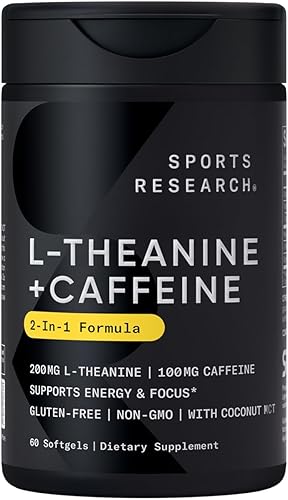
Sports Research L-Theanine + Caffeine Optional
Used as a smoother focus aid: 100 mg L-theanine with low caffeine can support calm alertness without jitters.
View on AmazonBonus: gut–brain support for mood
Most serotonin in the body is made in the gut, and gut microbes influence precursors, inflammation, and vagal signaling. While gut serotonin is not brain serotonin, improving gut health often improves how people feel. Basics: fiber (veggies, legumes), fermented foods, and steady meal timing. Some readers also explore a probiotic with clinical data for mood.

Garden of Life Dr. Formulated Probiotics Mood+ Optional
Contains Lactobacillus&Bifidobacterium strains with early evidence around stress&mood in specific contexts.
View on AmazonFAQ & safety
Will these steps replace antidepressants?
No. They are foundational supports that can help many people with low or fluctuating mood. If you have significant symptoms or already take medication, work with your clinician.
How long until I feel better?
Light & movement can help the same day; sleep and stress routines typically shift mood within 1–2 weeks; omega-3 and saffron often need 4–8 weeks for full effect. Track a 1–10 mood score daily.
What if I drink coffee first thing?
Try delaying 60–90 minutes after waking so your natural cortisol pulse can rise. If you feel jittery, consider pairing with L-theanine or switching to a smaller dose.
Any supplement interactions?
Yes. Do not combine saffron, 5-HTP, or St. John’s Wort with SSRIs/SNRIs/MAOIs due to serotonin-syndrome risk. Magnesium can interact with some antibiotics. Always check with a clinician.
References (clickable sources)
- Shine light on sleep: Morning bright light improves nocturnal sleep and next morning alertness among college students
- Exercise & mood: meta-analyses show clinically meaningful reductions in depressive symptoms with regular physical activity.
- Serotonin synthesis from tryptophan: dietary patterns & carbohydrate’s role in tryptophan transport across the BBB.
- Omega-3s & mood/cognition in older adults: cohort & RCT evidence linking higher DHA&EPA with better outcomes.
- Magnesium supplementation & depressive symptoms: systematic reviews suggest benefit in some populations.
- Saffron extract for mild to moderate depression: multiple RCTs vs. placebo and equivalence to SSRIs in small trials.
- Stress, cortisol, BDNF, & hippocampal plasticity: chronic stress reduces BDNF and impairs neurogenesis.
- Sleep & neurogenesis: reviews on hippocampal plasticity reliance on adequate sleep quality.
- Gut–brain axis & mood: reviews on psychobiotics and mood modulation.
Disclaimer: This article is informational and not medical advice. Consult your healthcare provider for diagnosis or treatment decisions. Some outbound product links are Amazon affiliate links; Brain Power Hub may earn a small commission at no extra cost to you.


