The Tired-But-Wired Syndrome: Calm Body, Racing Mind
You’re exhausted. Your body feels heavy, your shoulders sink, your eyelids want to close — and yet your mind refuses to slow down. Thoughts loop. Worries replay. Scenarios unfold like late-night cinema. You lie in bed waiting for calm that never fully arrives. This silent mismatch between a tired body and a racing mind is what many people now call the “tired-but-wired” syndrome.
Table of Contents
- What “Tired-But-Wired” Really Means why your mind won’t slow down
- The Brain Science Behind It stress, arousal systems, hormones
- Why It’s So Common Today light, tech, pressure
- Self-Check: Do You Recognize These Signs? patterns & clues
- How To Calm a Racing Mind evidence-aligned tools
- Night Routine For Wired Brains rewire your evenings
- Daytime Habits That Prevent Night Overdrive protect your nervous system
- A Real-World Example how performers protect sleep
- FAQ
- Conclusion
- Scientific References
What “Tired-But-Wired” Really Means
Tired-but-wired is not an official diagnosis — it’s a pattern. Your body is ready for rest, but your brain remains in a mild “alert mode.” Instead of sinking calmly into sleep, your mind hums in the background, analyzing the past or rehearsing the future.
This state is especially common in people who:
- Think deeply or creatively for work (designers, writers, analysts, founders, clinicians, teachers).
- Juggle responsibilities — work + family + finances + relationships.
- Live with constant alerts & communication pressure.
- Struggle to “switch off” mentally even during free time.
The Brain Science Behind It
A racing mind happens when your “alertness systems” remain slightly activated while your body tries to power down. Two main systems are responsible: the sympathetic nervous system (your go-mode) and the HPA axis (your stress-hormone control system).
Stress chemicals don’t always clock out on time
When daily stress runs late — mentally or physically — levels of arousal-related chemicals can remain elevated. Even small amounts can keep the brain in a hyper-vigilant state, making the mind busy at night while your muscles crave rest.
Blue-rich evening light delays the brain’s sleep clock
Nighttime exposure to bright light or screens can delay circadian timing and reduce sleep quality the next morning.
Sleep loss makes thoughts louder
When sleep is short or fragmented, the emotional centers of the brain become more reactive — and the “calming” prefrontal regions have less control. This is why stress seems bigger at night.
Why It’s So Common Today
Hundreds of years ago, night was dark and quiet. Now evenings are bright, noisy, and mentally busy.
- Evening scrolling keeps the mind stimulated.
- Late emails or messages prevent closure.
- Light exposure sends “it’s daytime” signals.
- Chronic stress keeps arousal high.
- Too little physical movement means energy isn’t released.
You are not weak, undisciplined, or dramatic. Your brain is responding normally to an abnormal environment.

Weighted Blanket (grounding, calm sensation)
Some people find gentle, evenly-distributed weight soothing. It may support relaxation before sleep when used safely.
View on AmazonSelf-Check: Do You Recognize These Signs?
- Physically tired, mentally awake.
- Sleep is light or delayed.
- Racing thoughts at night.
- Irritability or anxiety in the evening.
- Hard to relax without a screen.
- Strong “second wind” late at night.
If this sounds familiar, you’re not alone.
How To Calm a Racing Mind (Evidence-Aligned Strategies)
The goal is not sedation — it’s to help the nervous system down-shift.
1. Reduce stimulation — not pleasure
Replace fast, unpredictable inputs with slower, predictable ones. Your brain relaxes when it knows what’s coming next.
- Rereading familiar books
- Calm instrumental music
- Gentle stretching
- Warm lighting

Warm-Light Bedside Reading Lamp
Warm, dim evening lighting helps signal night-time to the brain more effectively than bright cold light.
View on Amazon2. Slow breathing signals safety
Longer exhales help nudge the nervous system toward calm.
- Inhale slowly through the nose.
- Exhale even more slowly.
- Repeat for 3–5 minutes.
3. Write it down — let the brain stop looping
The brain keeps rehearsing information it fears you’ll forget. Writing thoughts down tells the system the job is handled.

Guided Wellness / Reflection Journal
Evening journaling can help transition thoughts out of the mind and onto paper, reducing nighttime rumination.
View on AmazonNight Routine For Wired Brains
This simple flow can make a dramatic difference:
- Dim lights and screens after dinner.
- Stop task-switching 60–90 minutes before bed.
- Write tomorrow’s main tasks down.
- Use slow breathing or gentle stretching.
- Make your bedroom dark and quiet.

Comfort Blackout Sleep Mask
Darkness helps reinforce your brain’s night signal, especially in bright environments or while traveling.
View on AmazonDaytime Habits That Prevent Night Overdrive
A calm night starts with balanced days.
- Morning light exposure — helps anchor the circadian rhythm.
- Movement — relieves built-up stress chemistry.
- Planned mental breaks — prevent attention depletion.
- Reduce evening caffeine.
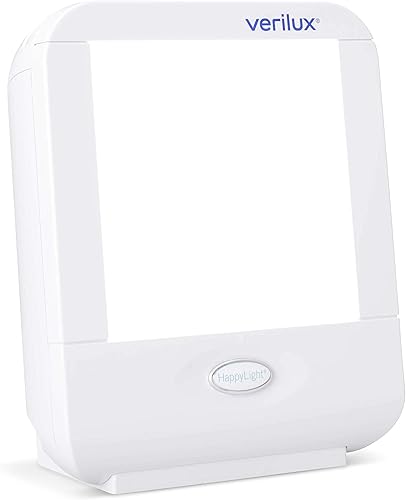
Light Therapy Lamp (10,000 Lux)
Light therapy is sometimes used to support circadian alignment during short-day months. Use safely and as directed.
View on AmazonA Real-World Example
Many touring musicians — whose schedules are chaotic and high-pressure — protect sleep using simple rituals: dim backstage lighting, strict caffeine cut-off times, journaling after shows, and consistent pre-sleep breathing routines. Interviews with performers often describe sleep as a critical “performance tool,” not a luxury.
The point is not celebrity life — it’s the principle: sleep stability supports the brain, especially when days are mentally intense.
FAQ
Is tired-but-wired the same as anxiety?
Not always. They overlap, but tired-but-wired specifically describes a mismatch: your body wants rest while your brain stays busy.
Can sleep improve emotional stability?
Research suggests that sleep plays a major role in emotion regulation and cognitive performance.
What if nothing helps?
If symptoms persist, worsen, or significantly disrupt life, consult a licensed healthcare professional. Underlying medical or psychological conditions can contribute.
Conclusion
The tired-but-wired state is a biological tension between a fatigued body and an alert brain. Modern life — bright evenings, constant stimulation, emotional load — makes this mismatch common. But your nervous system is also adaptable.
Small, consistent changes — dimmed evenings, slower wind-downs, fewer alerts, and daytime movement — help your mind finally trust that it’s safe to rest. You don’t have to force sleep. You simply create the right conditions and let biology do the rest.
Scientific References
- Chang, A.-M., Aeschbach, D., Duffy, J. F., & Czeisler, C. A. (2015). Evening use of light-emitting eReaders negatively affects sleep, circadian timing, and next-morning alertness. Proceedings of the National Academy of Sciences. https://doi.org/10.1073/pnas.1418490112
- Walker, M. P. (2017). Role of sleep in cognition and emotion. Annals of the New York Academy of Sciences. https://pubmed.ncbi.nlm.nih.gov/19338508/
- Yoo, S.-S., Gujar, N., Hu, P., Jolesz, F. A., & Walker, M. P. (2007). The human emotional brain without sleep — a prefrontal-amygdala disconnect. Current Biology. https://doi.org/10.1016/j.cub.2007.08.007
- LeGates, T. A., Fernandez, D. C., & Hattar, S. (2014). Light as a central modulator of circadian rhythms, sleep and affect. Nature Reviews Neuroscience. https://doi.org/10.1038/nrn3743
- Foster, R. G. (2020). Sleep, circadian rhythms and health. Interface Focus. https://pubmed.ncbi.nlm.nih.gov/32382406/
- Duffy, J. F., & Czeisler, C. A. (2009). Effect of light on human circadian physiology. Sleep Medicine Clinics. https://doi.org/10.1016/j.jsmc.2009.01.004
- Vetter, C., et al. (2023). Daytime and nighttime light exposure are associated with psychiatric disorders. Nature Mental Health. https://research.manchester.ac.uk/en/publications/day-and-night-light-exposure-are-associated-with-psychiatric-diso/


