Light Pollution & Your Brain: How Evening Screens and Indoor Light Disrupt Mood
You finish work, collapse onto the couch, open your phone or laptop “just for a bit” – and suddenly it is midnight. Your room is dim but your screens are bright, the street outside never really gets dark, and when you finally turn everything off, your mind is still buzzing. You sleep, but wake up feeling strangely heavy, flat, or irritable. This is what light pollution looks like from the inside.
- What “light pollution” means for your brain
- How evening light talks to your body clock
- Light, sleep, and mood: what science shows
- Screens at night: lab studies vs. real life
- How to fix your home light environment
- Light-smart toolkit: practical products
- FAQ
- Conclusion
- Scientific references
- Disclaimer
What “light pollution” really means for your brain
When most people hear “light pollution,” they think about city glow hiding the stars. For your brain, the definition is more personal: too much artificial light at the wrong time, and not enough natural light at the right time.
During the day, bright outdoor light tells your internal clock that it is daytime. In the evening, dim warmth and darkness should slowly signal that it is time to unwind, prepare for sleep, and reset emotional circuits. Artificial light at night – from overhead LEDs, TVs, tablets, phones, and streetlights leaking through your window – can flip that script.
Modern research uses the term artificial light at night (ALAN). Systematic reviews and meta analyses show that higher ALAN exposure is associated with increased risk of depression and other mental health problems in the general population. In other words, the way your nights are lit may subtly shape how you feel over months and years.
How evening light talks to your body clock
The melanopsin system: blue light as a timing signal
Inside your eyes, a special group of cells called intrinsically photosensitive retinal ganglion cells (ipRGCs) respond strongly to blue rich light (roughly 460–480 nm). They contain the pigment melanopsin and send signals directly to the brain’s master clock in the suprachiasmatic nucleus (SCN).
In the evening, when these cells see bright, cool light from LED bulbs or screens, they tell the clock: “It is still daytime, stay awake.” The SCN then delays the rise of melatonin – the hormone that helps you feel sleepy and coordinates night time repair – and pushes your whole internal schedule later.
Why timing matters more than brightness alone
It is not just how bright the light is, but when it hits your eyes and what color it is. Cool, blue enriched light in the morning can be helpful – it lifts alertness and keeps your clock on track. The same spectrum late at night sends a confusing signal: your brain thinks dawn is coming again.
Reviews in chronobiology and sleep medicine consistently report that evening blue light exposure delays melatonin onset, shifts circadian phase, and disturbs sleep architecture. Over time, this repeated delay can create what researchers call “social jet lag” – your biological night no longer matches your social schedule.
Light, sleep, and mood: the hidden connection
Artificial light at night and depression risk
A recent systematic review and meta analysis on artificial light at night found that both outdoor and indoor ALAN exposure are linked with a higher risk of depression. Other analyses of mental health and light suggest that late night light may also worsen bipolar symptoms and other mood disorders.
Animal studies help explain why. Experiments with dim light at night show disrupted circadian rhythms and depression like behavior, even when sleep duration does not change dramatically. When the timing of light is wrong, the brain’s mood circuits stop lining up with the environmental day.
Screen time, sleep, and emotional health
Multiple reviews of digital device use conclude that late night screen time tends to reduce sleep quality and is associated with more daytime sleepiness and worse mood, especially in adolescents and young adults. Large studies in youth and toddlers also show that more evening screen use predicts shorter sleep and more sleep problems.
For adults, some newer real world data suggest the picture is more complex – content and stress level matter as much as light itself – but the experimental evidence is very clear: strong blue rich light in the late evening pushes your clock later and makes it harder to get deep, restorative sleep.
Screens at night: lab studies vs. everyday life
What controlled experiments tell us
In tightly controlled lab settings, exposing people to bright tablets or phones for a couple of hours before bedtime:
- reduces evening sleepiness
- suppresses melatonin
- delays the circadian clock and REM sleep
- lowers next morning alertness
The landmark eReader experiment showed all of these effects compared with printed books under dim light. Randomized trials of amber or blue blocking lenses before bed report improved subjective sleep quality and more positive mood in some groups.
Why your experience may feel different
Real life is messier. People vary in how sensitive they are to light, what they watch, and how stressed they feel. Some adults report that quiet, relaxing content at low brightness does not disturb their sleep much, while doom scrolling social media does – even at the same light level.
The safest message from the science is not “screens are evil,” but this: the combination of bright blue rich light plus emotionally stimulating content, close to your eyes and close to bedtime, is what hurts sleep and mood most.
How to fix your home light environment
Daytime: chase light
For a stable mood, your brain needs a strong daytime signal. Try to get at least thirty to sixty minutes of outdoor light, especially in the morning. Even on cloudy days in much of the United States, outdoor light is far brighter than typical indoor lighting and more effective for aligning your clock.
Evening: dim and warm
After sunset, shift your environment toward:
- lower overall brightness
- warmer color temperature (more amber, less blue)
- light coming from lamps at eye level or lower, not bright overhead panels
Smart bulbs, dimmers, and small lamps make this easy even in small apartments. For hallways and bathrooms, use very dim, warm night lights – enough to see, but not enough to fully wake your brain.
Bedroom: make darkness the default
Your bedroom should be the “darkest place you visit all day.” Use blackout curtains or shades to block streetlights and billboards, cover bright LEDs on chargers or electronics, and keep screens out of the bed itself when possible.
Studies of artificial light at night show that even relatively low levels of light while sleeping can alter physiological measures and are linked to metabolic and mental health risks. You do not need perfection, but every step toward darker nights and brighter days helps.
Light smart toolkit: practical products that support your brain
You can change a lot with simple behavior shifts, but a few well chosen tools can make it much easier to keep good light habits without thinking about them all the time. Below are example products on Amazon that fit the strategies in this article. Replace them with your own favorites if you already use similar devices.
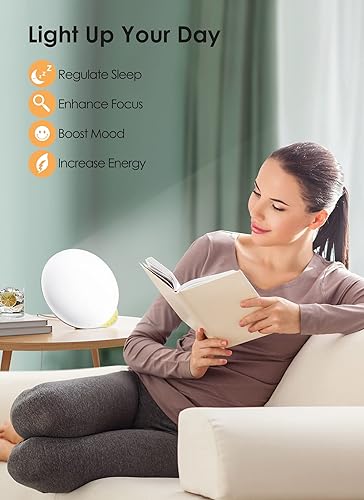
A bright, glare free light box can give your brain a strong “daytime” signal on dark mornings, especially in northern U.S. states or during winter. Clinical studies support bright light therapy for seasonal mood problems and circadian rhythm disorders when used under professional guidance.
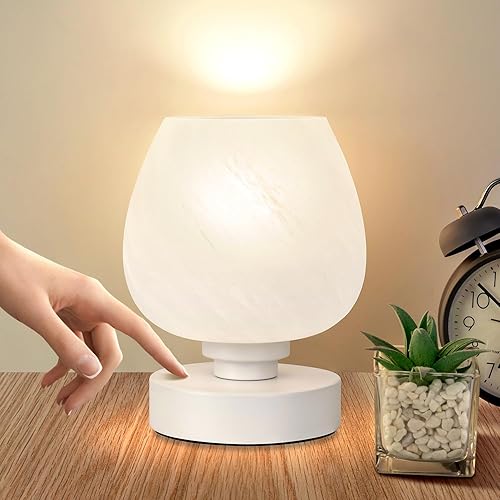
A small lamp with adjustable warm light lets you shut off bright overhead fixtures after dinner and create a calm, amber evening atmosphere that is gentler on melatonin.
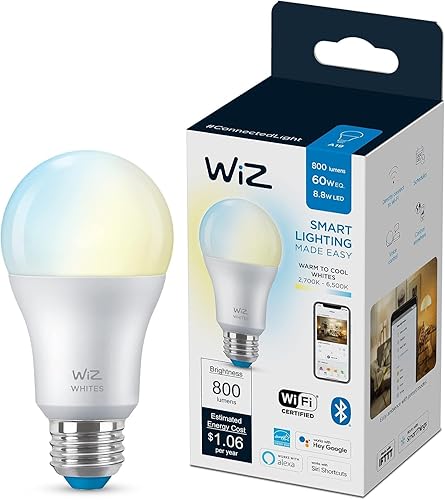
A tunable bulb lets you use cooler white light while working during the day and switch to warm, low intensity light at night – all from an app or smart speaker. That makes it easier to match your indoor light to your circadian goals without buying multiple fixtures.

Very dim amber night lights give you safe navigation to the bathroom or kitchen without flooding your eyes with blue rich light. They are helpful if you or your children dislike complete darkness but still want to protect sleep.
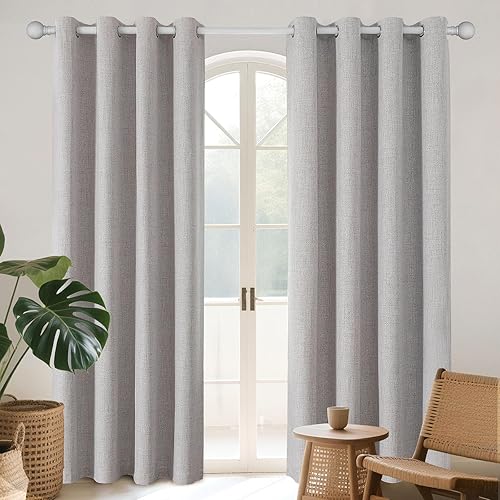
Thick blackout curtains reduce light from street lamps, parking lots, and neon signs – a practical way to cut light pollution if you live in a bright city neighborhood.
A realistic “high performer” example
Imagine a well known tech executive in Seattle who used to work on a laptop in bed under bright ceiling lights until 1 a.m. most nights. Her sleep felt shallow, she woke up tired, and her mood slid into a gray, unmotivated state each winter.
After talking with her doctor and reading about circadian rhythms, she changed her routine: morning walks with a light therapy lamp on dark days, warm lamps after 8 p.m., no overhead lights after 9 p.m., amber night lights in the hallway, and blackout curtains in the bedroom. Within a few weeks she noticed that she fell asleep faster and woke up with a more stable mood – without changing her total sleep time very much.
This is what a “light reset” can look like in real life: no perfection, just clearer signals to the brain about when it is day and when it is night.
FAQ
Conclusion
Light pollution is not just a problem for astronomers. It is a daily, invisible force that quietly shapes how your brain sleeps, thinks, and feels. Bright white LEDs in your ceiling, the glow of your phone inches from your face, and the streetlights shining through thin curtains are all part of the story.
The good news is that your brain is still very responsive to better signals. A strong dose of daylight in the morning, calmer and warmer light in the evening, and a darker bedroom at night can, over weeks and months, improve both sleep quality and mood stability. You do not have to quit technology or move to the countryside. You only need to teach your environment to respect your body clock a little more.
Start with one small change this week – maybe a morning walk or a strict “no overhead lights after 9 p.m.” rule. Then layer in tools like tunable bulbs, night lights, or blackout curtains as needed. Your future self, with a clearer head and steadier mood, is already living under better light.
Scientific references
- Chang AM, Aeschbach D, Duffy JF, Czeisler CA. Evening use of light emitting eReaders negatively affects sleep, circadian timing, and next morning alertness. Proceedings of the National Academy of Sciences. 2015;112(4):1232–1237. PubMed
- Sharf Y, Abbas K, Alam M, Khan S. Impacts of blue light exposure from electronic devices on circadian rhythm and sleep disruption in adolescent and young adult students. Chronobiology in Medicine. 2024;6(1):4–12. Journal
- Blume C, Garbazza C, Spitschan M. Effects of light on human circadian rhythms, sleep and mood. Somnologie. 2019;23(3):147–156. PubMed
- Chen M, et al. Artificial light at night and risk of depression: a systematic review and meta analysis. Environmental Health and Preventive Medicine. 2024;29:xx. PubMed
- Deprato A, et al. Associations between light at night and mental health: a meta analysis. Science of the Total Environment. 2025;919:170648. ScienceDirect
- Lin B, et al. Dim light at night induces depression like behaviors during the postpartum period by disrupting circadian rhythms. Translational Psychiatry. 2025;xx:xx. Nature
- Burkhart K, Phelps JR. Amber lenses to block blue light and improve sleep: a randomized trial. Chronobiology International. 2009;26(8):1602–1612. PubMed
- Liset R, et al. A randomized controlled trial on the effects of blue blocking glasses in pregnant women with insomnia symptoms. Sleep Health. 2022;8(3):308–315. ScienceDirect
- Singh S, et al. Blue light filtering spectacle lenses for visual performance, sleep, and macular health in adults. Ophthalmic and Physiological Optics. 2023;43(5):1001–1022. PubMed
- Brosnan B, et al. Screen use at bedtime and sleep duration and quality that night: a micro-longitudinal study in youth. JAMA Network Open. 2024;7(5):e2412345. PubMed
- Pickard H, et al. Toddler screen use before bed and its effect on sleep: a randomized clinical trial. JAMA Pediatrics. 2024;178(7):xxx–xxx. JAMA
- Jaffer U, et al. Screen time and sleep quality: a narrative review of digital device usage and its impact on well being. International Journal of Education Psychology and Counseling. 2024;9(56):1068–1079. Article


