The Invisible Mental Load: Why Your Brain Never Fully Rests
The Invisible Mental Load: Why Your Brain Never Fully Rests
You sit down to relax. The workday is technically over. There is nothing urgent left to do. And yet your mind is still active.
You think about messages you need to reply to. Tasks for tomorrow. Conversations from earlier. Small details that feel unfinished. Even when you try to rest, your brain keeps running in the background.
This constant mental activity is known as the invisible mental load.
What Is the Invisible Mental Load?
Mental load refers to the ongoing cognitive effort required to manage life. It includes planning, remembering, anticipating, and monitoring responsibilities.
Unlike physical tasks, mental load does not end when you stop working. It stays active in the background, consuming energy continuously.
Your brain is not idle — it is maintaining a system of open loops.
The Brain’s “Open Loop” Problem
Psychological research shows that unfinished tasks remain active in memory. This is often referred to as the Zeigarnik effect — the tendency to remember incomplete tasks more than completed ones.
Every unfinished responsibility becomes a mental loop. The brain keeps it active to ensure it is not forgotten.
When you have dozens of these loops, your brain never truly rests.
Default Mode Network & Constant Thinking
When you are not focused on a task, the brain activates the Default Mode Network. This network is responsible for self-reflection, future planning, and memory processing.
In a high mental load state, the Default Mode Network becomes overactive. Instead of calm reflection, it generates continuous thought streams.
This is why your brain becomes louder when you try to relax.
Why Modern Life Amplifies Mental Load
Modern environments increase cognitive demand in subtle ways:
- Constant notifications
- Multiple communication channels
- Information overload
- Unclear task boundaries
Your brain is forced to track more variables than ever before. Each one adds to the mental load.
Decision Fatigue & Cognitive Exhaustion
Every decision consumes mental energy. Even small choices — what to eat, when to respond, what to prioritize — accumulate over time.
Research shows that decision fatigue reduces cognitive performance and increases mental exhaustion, even without physical effort.
Emotional Load Is Part of the Equation
Mental load is not purely cognitive. It also includes emotional processing:
- Worrying about outcomes
- Managing relationships
- Interpreting social signals
This emotional component significantly increases the total load on the brain.

Magnesium Glycinate
Magnesium is involved in nervous system regulation and may help support relaxation after prolonged mental load.
View on AmazonWhy Rest Doesn’t Feel Like Rest
If mental load remains high, rest becomes ineffective. Watching videos or scrolling does not reduce cognitive demand — it often increases it.
True rest requires a reduction in mental input, not just physical inactivity.
The Illusion of Productivity
Many people feel mentally exhausted even on low-productivity days. This is because the brain has been active all day, switching between tasks and processing information.
The absence of visible output does not mean the brain was inactive.
Real-World Example: Elon Musk & Cognitive Load
High-level decision-makers often manage extreme mental load. Public interviews with Elon Musk highlight how managing multiple complex projects requires constant cognitive tracking.
While extreme, this illustrates a universal principle: the more your brain tracks, the more energy it consumes.
The Role of Stress Hormones
Chronic mental load activates stress pathways. Cortisol remains elevated, keeping the brain in a semi-alert state.
This prevents full recovery and reinforces the cycle of mental fatigue.
Sleep & Mental Reset
Sleep is essential for clearing mental load. During sleep, the brain processes memories and reduces neural activity patterns.
However, if mental load is too high, it can interfere with sleep quality, creating a feedback loop.
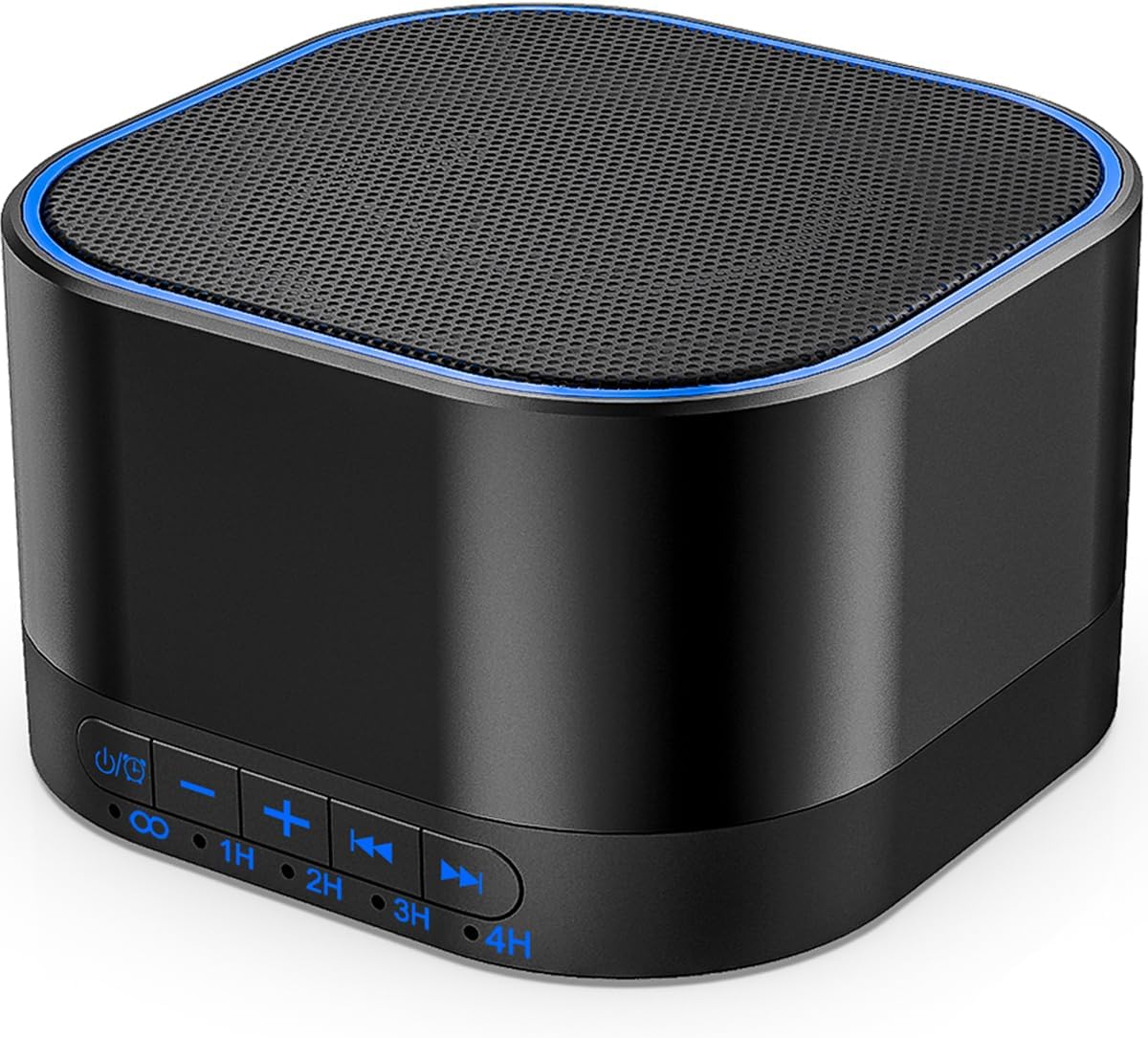
White Noise Machine
Consistent background sound can reduce external distractions and support smoother mental transitions into rest.
View on AmazonHow to Reduce Mental Load
- Write down tasks to close mental loops
- Limit information intake
- Create clear work boundaries
- Schedule recovery time
- Reduce unnecessary decisions
Why Awareness Changes Everything
The most important step is recognizing that your brain is not resting because it is still working.
Once you see the invisible load, you can begin to manage it.
Conclusion
The invisible mental load is one of the main reasons people feel constantly tired without obvious cause.
Your brain is processing, tracking, and managing far more than you realize. Rest requires reducing that load — not just stopping physical activity.
Mental clarity returns when the brain is allowed to release its open loops.
Scientific References
- Zeigarnik B. On finished and unfinished tasks. Psychological Research.
- Raichle ME. The brain's default mode network. Annual Review of Neuroscience.
- Baumeister RF et al. Decision fatigue. Journal of Personality and Social Psychology.
- McEwen BS. Stress and cognitive function. Nature Reviews Neuroscience.
- Walker MP. Sleep and memory processing. Nature Reviews Neuroscience.
Conclusion
Understanding mental load allows you to take back control of your energy. The goal is not to eliminate thinking, but to reduce unnecessary cognitive burden.


