Why You Wake Up Tired Even After 8 Hours: The Science of Non-Restorative Sleep
Brain Power Hub · Habits · Focus
You can sit at your desk for eight or nine hours, do everything “right” on paper, and still end the day with a foggy brain. Often the problem is not your willpower or motivation. It is the way your day is structured and the way your brain handles continuous effort.
What are brain friendly microbreaks
A microbreak is a very short pause from goal directed work, usually between thirty seconds and five minutes. It can be physical, like standing to stretch, or mental, like looking away from the screen and letting your eyes rest. Microbreaks are not long coffee breaks or extended scrolling on social media. They are brief resets that respect how the brain manages attention.
A large meta analysis in 2022 found that well timed microbreaks improve vigor, reduce fatigue, and have small but positive effects on performance across many types of tasks, from office work to more physical jobs. Other studies show that without breaks, people slowly lose focus and make more errors, even if they feel they are “pushing through.”
For people in the United States who spend most of the day at a computer, adopting intentional microbreaks can be one of the simplest ways to protect long term brain health, comfort, and productivity.
Why your brain cannot focus nonstop
Attention is built to pulse, not grind
Attention works in cycles. During focused work, brain networks that support task goals are actively maintained. Over time these networks drift, and competing thoughts or distractions become stronger. Experiments on vigilance tasks show that performance drops as people stay on the same task, but brief breaks that remove the task for even a short time reset performance back to a higher level.
In simple language, the brain needs a chance to “let go” of the current goal so that it can re engage with fresh energy. Microbreaks do exactly that without stealing half an hour from your schedule.
Fatigue, sitting, and nonrestorative days
Prolonged sitting is linked with lower physical activity and poorer cardiometabolic health. More recently, experimental work has started to look at how breaking up sitting with short activity breaks can change mood and cognition. Several studies report that light walking or cycling breaks improve executive function and reduce fatigue compared with uninterrupted sitting.
At the same time, nonrestorative sleep, where you wake up feeling unrefreshed even after enough hours in bed, is associated with daytime fatigue and poorer executive functioning. When you combine short nights, long sitting, and no breaks, the brain works in constant low level overload.
Why microbreaks do not kill productivity
A common fear is that taking more breaks will make you less productive. Research generally shows the opposite, especially for knowledge work. Microbreak interventions that add gentle movement or stretching during the workday tend to reduce perceived stress and mental fatigue while preserving or slightly improving performance.
If you work in an American office culture where “being busy” is rewarded, that can feel counterintuitive. The key is to use breaks intentionally rather than drifting into long, unfocused pauses on your phone.
Types of microbreaks that actually help
One to two minute movement resets
Movement based breaks fight both physical and mental fatigue. Studies show that short bouts of standing or light walking at a workstation do not harm cognitive performance and may help certain tasks that rely on executive function.
- Stand up, roll your shoulders, and gently twist your spine left and right.
- Walk to the kitchen to refill your water, taking the long route through the hallway.
- Do calf raises while waiting for a file to load.
- Use a compact under desk stepper or pedal device for sixty to ninety seconds.
These microbreaks stimulate circulation, change posture, and signal to your brain that the current task is not a threat, just a challenge.
Visual and mental breaks for screen heavy work
Staring at a screen for hours taxes vision and the frontal networks that manage task goals. Simple rules like “twenty seconds of looking at a distant point every twenty minutes” help the eyes relax. Mentally, switching attention to a neutral activity such as noticing your breath for three slow cycles can reset emotional load.
- Look out of a window or at a far wall, noticing three details you normally ignore.
- Practise three slow nasal breaths, exhaling slightly longer than you inhale.
- Briefly close your eyes and gently massage the muscles around them with clean hands.
Social and micro reward breaks
Human brains are highly social. Very short, positive interactions can lift mood and restore motivation. A one minute chat with a colleague, or sending a kind message to a friend, can work as a micro reward after focused work.
The rule is to keep boundaries: step away from emotionally heated threads and avoid falling into long feeds that drag your attention away.
Brain break toolkit at your desk
You do not need a full home gym to support better breaks. A few well chosen tools can make it easier to move, relax, and create a consistent rhythm through the day. Below are example products on Amazon that match the ideas in this article. Replace them with your own favorites if you already have similar gear.
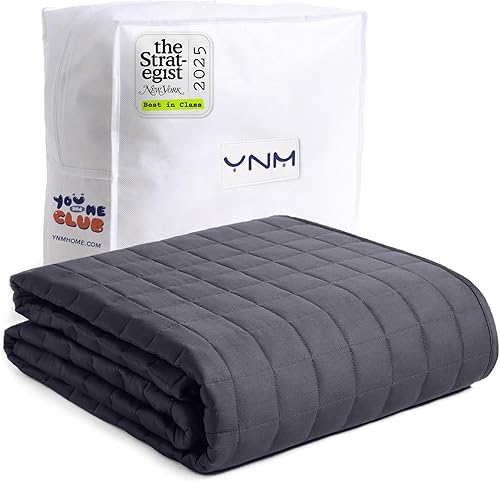
A weighted blanket can help your brain downshift in the evening by adding gentle, evenly distributed pressure. Clinical trials suggest that weighted blankets improve insomnia symptoms and reduce anxiety for some adults, likely by modulating autonomic arousal.
🛒 View on Amazon
A contoured sleep mask that fully blocks light makes short daytime recovery naps and consistent night sleep easier. Deep, dark sleep supports memory consolidation and long term brain health.
🛒 View on Amazon
Amber lenses filter most short wavelength light from screens in the evening, which helps melatonin rise on time. They are especially helpful for late night computer work when you cannot avoid screens.
🛒 View on Amazon
Real fan based white noise helps mask traffic, neighbors, or household sounds so your microbreaks and night sleep are not interrupted by every noise spike.
🛒 View on Amazon
Magnesium supports normal muscle relaxation and nervous system function. Some trials report improved subjective sleep quality in people with low magnesium intake, although results are mixed and it is not a sedative drug.
🛒 View on AmazonHow a high performer might use this toolkit
Imagine a senior product manager working remotely in New York. She schedules ninety minute deep work blocks in the morning. After each block she takes a three minute walk around the apartment, refills water, and spends thirty seconds looking out of the window. Around lunchtime she wears amber glasses to reduce blue light, and in the evening she uses a white noise machine and weighted blanket to create a consistent, calm sleep environment.
Her tools are simple, but the rhythm is powerful: focus, microbreak, reset. Over months, she reports fewer headaches, more stable mood, and the feeling that she can stay mentally sharp through demanding projects.
How to design a break friendly workday
Step one: audit your current day
Before adding anything new, spend one normal day observing when you naturally lose focus. Notice how long you can work with high quality attention before you start checking email, news, or your phone. For many adults this is somewhere between thirty and ninety minutes.
- Write down start and end times for three or four key work blocks.
- Note what usually triggers an unplanned break, such as boredom or frustration.
- Pay attention to body signals: tight shoulders, dry eyes, or restless legs.
This short audit tells you where microbreaks will help most.
Step two: choose a baseline rhythm
A simple pattern for many people is forty to fifty minutes of focused work followed by a three to five minute microbreak. Longer tasks can use ninety minutes of work followed by eight to ten minutes of movement. You can use a silent timer, calendar reminders, or a browser extension that nudges you to stand up.
Research on microbreaks suggests that even very short pauses can reduce fatigue and improve wellbeing when used regularly through the day.
Step three: protect your breaks from digital noise
It is tempting to fill every pause with social media, news, or inbox checks. This may give a small dopamine spike but keeps your brain processing new information instead of recovering. Reserve at least half of your breaks for movement, breath, or quiet observation without screens. If you want to check messages, do it intentionally, for example once an hour, not every microbreak.
Step four: connect microbreaks with sleep health
Breaks during the day and quality sleep at night support each other. When you arrive at bedtime less exhausted and less wired, it is easier to fall asleep and reach deeper stages of sleep. In turn, better sleep improves attention and executive function the next day.
For United States readers working across time zones, be realistic about your schedule. If you have evening calls with Europe or Asia, make afternoon microbreaks a non negotiable habit and protect at least one or two nights each week with no late meetings.
Frequently asked questions
Conclusion
Your brain is not a machine that can run at full power from nine to five. It is a living network that pulses between focus and recovery. Microbreaks harness that biology instead of fighting it. When you combine short movement breaks, visual rest, and a calm evening routine, you are building a daily rhythm that supports attention, mood, and long term brain health.
You do not need dramatic lifestyle changes to start. Pick one change from this article, perhaps a three minute walk every hour or a strict rule that half of your breaks are screen free. After a week, notice how your energy and mood shift. Then add another element, like evening blue light protection or a white noise routine at bedtime.
Over time, these small habits create a very real difference in how clear your mind feels at the end of the day. Your work benefits, your relationships benefit, and your future self benefits from a brain that has been treated with a bit more respect.
Scientific References
- Albulescu P, Macsinga I, Rusu A, et al. "Give me a break!" A systematic review and meta-analysis on the efficacy of micro-breaks for increasing well-being and performance. PLOS One. 2022;17(8):e0272460. Full text
- Ariga A, Lleras A. Brief and rare mental "breaks" keep you focused: deactivation and reactivation of task goals preempt vigilance decrements. Cognition. 2011;118(3):439–443. PubMed
- Tinajero R, Williams P, Waa J, et al. Nonrestorative sleep in healthy, young adults without insomnia: associations with executive functioning, fatigue, and pre-sleep arousal. Sleep Health. 2018;4(3):284–291. PubMed
- Keadle SK, Conroy DE, Buman MP, Matthews CE. Targeting reductions in sitting time to increase physical activity and improve health. Medicine and Science in Sports and Exercise. 2017;49(8):1572–1582. PMC
- Radwan A, Fess P, James D, et al. Effects of active microbreaks on the physical and mental well-being of office workers: a systematic review. Cogent Engineering. 2022;9(1):2026206. Article
- Bantoft C, Summers MJ, Tranent PJ, et al. Effect of standing or walking at a workstation on cognitive function: a randomized counterbalanced trial. Human Factors. 2016;58(1):140–149. PubMed
- Giurgiu M, Timm I, Ebner-Priemer UW, Schmiedek F, Neubauer AB. Causal effects of sedentary breaks on affective and cognitive parameters in daily life: a within-person encouragement design. npj Mental Health Research. 2024;3:64. Article
- Gupta CC, Vitanege DH, Grant D, et al. The impact of breaking up prolonged sitting with physical activity during simulated dayshifts and nightshifts on sleep architecture: a randomised controlled trial. Scientific Reports. 2025;15:3996. Article
- Zacher H, Brailsford HA, Parker SL. Micro-breaks matter: a diary study on the effects of energy management strategies on occupational well-being. Journal of Vocational Behavior. 2014;85(3):287–297. PDF
- Fritz C, Ellis AM, Demsky CA, Lin BC, Guros F. Embracing work breaks: recovering from work stress. Organizational Dynamics. 2013;42(4):274–280. Article
Disclaimer
This article is for educational purposes only and does not provide medical advice, diagnosis, or treatment. Always consult your physician or other qualified health provider with any questions about your health, sleep, or supplements.


